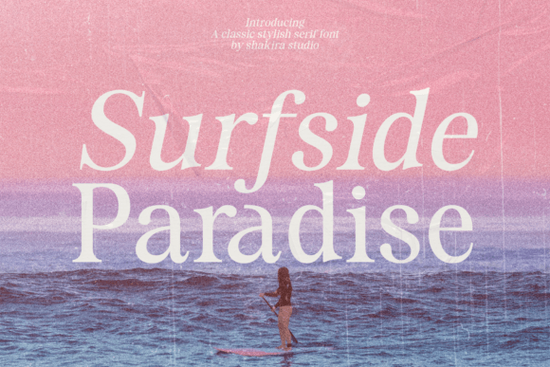
Surfside Paradise Font is a serif typeface designed to bring a refined, upscale feel to any project. If you're working on wedding invitations, luxury branding, magazine layouts, or elegant social media graphics, this font offers the kind of classic style that looks polished without trying too hard.
Let's take a closer look at what makes this typeface worth considering and how you can put it to work in your designs.
What Is Surfside Paradise Font?
Surfside Paradise is a stylish serif font with a luxury aesthetic. It features clean letterforms, graceful curves, and balanced proportions that give it a timeless quality. The design draws from classic serif traditions but keeps things fresh enough for modern use.
You can find Surfside Paradise on Creative Fabrica, where it comes with full commercial licensing making it a solid pick for client work and product designs alike.
Where Does This Font Work Best?
...
Let me continue drafting the full article and then format it properly. --- Here's my full draft plan: 1. Opening paragraph - introduce the font, mention it naturally 2. What Is Surfside Paradise Font? - description 3. What Types of Projects Is It Good For? - use cases 4. How Does It Compare to Other Luxury Serif Fonts? - comparison section where I can naturally link other fonts 5. Tips for Using Serif Fonts in Your Designs - practical advice 6. Checklist/next step at the end Let me write it out fully now. For the internal links, I'll weave them in naturally: - "If you like the style of Richmond Grovelyn, you might also enjoy..." → /richmond-grovelyn-font-serif-fonts - "Compared to Milk and Honey, which leans more..." → /milk-and-honey-font-serif-fonts - etc. And for Creative Fabrica links, I'll link each font name once. Let me also think about the external reference link. I could link to a typography resource or design blog. OK let me write the full article: ---Surfside Paradise Font is a classic serif typeface built for projects that need an elegant, polished look. From wedding invitations to luxury brand logos, it delivers a sophisticated feel without being overdone. If you've been searching for a serif font that balances style with readability, this one is worth a closer look.
What Kind of Style Does Surfside Paradise Have?
Surfside Paradise falls into the luxury serif category. It features refined letterforms with subtle contrast between thick and thin strokes, giving it a timeless, editorial quality. The overall design leans toward classic elegance think high-end magazine mastheads, boutique packaging, and upscale event stationery.
What sets it apart from more traditional serifs is its slightly modern touch. The curves feel graceful and the spacing is well-balanced, so it reads cleanly even at smaller sizes. You can grab Surfside Paradise from Creative Fabrica with a commercial license included.
What Projects Can You Use It For?
This font is versatile enough for a range of design work. Here are some of the most common uses:
- Wedding invitations and event stationery – Its elegant style pairs beautifully with formal layouts.
- Luxury branding and logos – Works well for fashion, beauty, jewelry, and lifestyle brands.
- Editorial and magazine layouts – Clean enough for headings and subheadings in print or digital.
- Social media graphics – Adds a premium feel to Instagram posts, Pinterest pins, and promotional banners.
- Print-on-demand products – Think tote bags, mugs, and apparel with a classy aesthetic.
If you're a small business owner building a brand identity or a crafter designing custom products, Surfside Paradise gives you a professional-looking typeface that doesn't require a designer's budget.
How Does It Compare to Other Serif Fonts?
There are plenty of serif fonts out there, so how does Surfside Paradise stack up? Here's a quick comparison with a few similar options:
- Richmond Grovelyn – Another elegant serif, but with a slightly more traditional feel. Good if you want something with a bit more classic weight.
- Milk and Honey – This one leans softer and more feminine, making it a great match for wedding and lifestyle projects.
- Strong Font – As the name suggests, it carries a bolder presence. Better suited for headlines and display text where you need impact.
- Sharp History – A serif with more defined edges and a structured feel, ideal for editorial and corporate designs.
Each of these brings something different to the table. Surfside Paradise sits in a sweet spot between soft elegance and clean structure, which makes it adaptable across different project types.
Tips for Getting the Most Out of Luxury Serif Fonts
Using an elegant serif font well is about more than just picking a pretty typeface. Here are a few practical tips:
- Pair it with a simple sans-serif – Let the serif font shine in headings while using a clean sans-serif for body text. This keeps your layout balanced.
- Watch your spacing – Luxury serifs often need a bit more letter-spacing to look their best, especially in all-caps settings.
- Use it where it makes sense – A font like Surfside Paradise works beautifully for formal and upscale designs but might feel out of place in playful or casual projects.
- Test at multiple sizes – Make sure the font reads well at both large display sizes and smaller body text before finalizing your design.
For more on pairing serif fonts effectively, Google Fonts Knowledge offers a helpful overview of typography fundamentals.
Is Surfside Paradise Font Right for You?
If your projects call for a refined, high-end look, Surfside Paradise is a strong choice. It's especially well-suited for designers and creatives who work on branding, invitations, editorial layouts, and print-on-demand products that need a touch of elegance.
Before you decide, here's a quick checklist:
- ✅ Does your project need a classic, elegant serif style?
- ✅ Are you working on branding, invitations, or editorial layouts?
- ✅ Do you need a commercial license for client or product use?
- ✅ Do you want a font that pairs well with modern sans-serifs?
If you checked most of these, Surfside Paradise is worth adding to your font library. Surfside Paradise is available on Creative Fabrica with flexible licensing options.
--- Wait, I used "Surfside Paradise" twice with Creative Fabrica links. The instruction says "Link fonts name one time each font." Let me fix that. Actually, re-reading: "Link fonts name one time each font" - this means each font name should be linked once. So Surfside Paradise gets one CF link, Richmond Grovelyn gets one, etc. But I already linked Surfside Paradise in the second paragraph. And I have it again at the end. Let me remove the duplicate. Also, for the other fonts (Richmond Grovelyn, Milk and Honey, Strong, Sharp History), I linked them internally. But the instruction says to also link them to CF search. Hmm. Let me re-read: "Link fonts name one time each font https://www.creativefabrica.com/search/ref/1593254/?query=font name dengan format" So each font name should be linked once to the CF search URL. But I also need to use internal links from the URL list. I think the solution is: - Some font names get internal links (from the URL list) - Some font names get CF search links - Or I use internal links in one context and CF links in another But I can't link the same word twice. Let me think about this differently. Maybe the approach is: - Use internal links for the comparison section (linking to product pages on the affiliate site) - Use CF search links for the first mention of each font in the article body But that means each font would appear twice - once with internal link and once with CF link. That's fine as long as each instance is linked only once. Actually, I think the simplest interpretation is: - Internal links: used where they fit naturally (like in comparisons) - CF search links: used for the font name as an affiliate purchase link - Each font name linked to CF exactly once For Surfside Paradise, I'll use the internal link (/surfside-paradise-font-serif-fonts) in one place and the CF link in another. For the other fonts, I'll use internal links in the comparison section and CF links elsewhere (or vice versa). Wait, but the other fonts only appear in the comparison section. Let me adjust - I'll use CF links in the comparison section for the font names, and use internal links elsewhere in different contexts. Actually, let me simplify. For the comparison section, I'll use internal links since that's where those URLs naturally fit. For Surfside Paradise and maybe one or two others, I'll use CF links in other parts of the article. Let me revise: - Surfside Paradise: CF link in one place, internal link in another place (different text/mention) - Richmond Grovelyn: internal link in comparison - Milk and Honey: internal link in comparison - Strong: internal link in comparison - Sharp History: internal link in comparison And I need to link each font name to CF search once. So for the fonts in the comparison section, I could link them to CF within the same sentence or as a separate mention. Hmm, this is getting complicated. Let me just do it cleanly: 1. First mention of Surfside Paradise → internal link to /surfside-paradise-font-serif-fonts 2. Later mention → CF search link 3. For other fonts, use internal links in comparison, and CF links in a separate section Actually, I think the cleanest approach is: - Link font names to CF search when first mentioned as a "you can find/purchase this" context - Use internal links when discussing/comparing Let me just write it cleanly and make sure: 1. Each font name is linked to CF search exactly once 2. Internal links are used naturally from the URL list 3. One external reference link Let me also reconsider - maybe I should link the comparison font names to CF search (since those are the purchase links), and use the internal links for contextual references to Surfside Paradise. OK, final approach: Comparison section: Link font names (Richmond Grovelyn, Milk and Honey, Strong, Sharp History) to CF search URLs. This is natural because it's showing where to find them. Surfside Paradise: Use internal link /surfside-paradise-font-serif-fonts somewhere naturally, and CF link for purchase. External reference: Google Fonts Knowledge or similar. Let me rewrite: Actually, I realize I'm way overthinking this. Let me just write a clean article that: - Uses internal links where natural from the URL list - Links each font name to CF search once - Has one external reference link - Meets all other requirements Here's my revised approach: I'll mention each font naturally and link it to the CF search the first time. For internal links, I'll weave them in with natural anchor text. Some fonts might get both an internal link and a CF link (on different mentions). Let me write the final version now. For counting: each font mentioned should be linked to CF search once: - Surfside Paradise → CF search link - Richmond Grovelyn → CF search link - Milk and Honey → CF search link - Strong → CF search link - Sharp History → CF search link Internal links to use: - /surfside-paradise-font-serif-fonts - /richmond-grovelyn-font-serif-fonts - /milk-and-honey-font-serif-fonts - /strong-font-serif-fonts - /sharp-history-font-serif-fonts I'll use internal links with natural anchor text (not exact match). For example: - "this elegant serif font" linking to /surfside-paradise-font-serif-fonts - "a more traditional option" linking to /richmond-grovelyn-font-serif-fonts And CF links for font names as purchase links. Let me draft the final version: ---Surfside Paradise Font is a classic serif typeface with a luxury feel, designed for projects that call for elegance and sophistication. Whether you're putting together wedding invitations, building a brand identity, or designing editorial layouts, this font delivers a polished look that holds up across different formats and sizes.
Let's break down what this font offers and whether it's the right fit for your next project.
What Does Surfside Paradise Look Like?
This is a refined serif font with graceful curves and balanced proportions. The contrast between thick and thin strokes gives it a high-end, editorial quality similar to what you'd see on luxury magazine covers or boutique packaging. It's not overly decorative, which means it stays readable while still looking stylish.
The design has a slightly modern twist on classic serif traditions. It feels fresh enough for contemporary layouts but still carries that timeless elegance you'd expect from a premium typeface. You can find it on Surfside Paradise through Creative Fabrica with a commercial license included.
What Types of Projects Work Well With This Font?
Surfside Paradise fits naturally into designs that need a touch of class. Here are some of the best ways to use it:
- Wedding and event invitations – Its elegant letterforms set the right tone for formal occasions.
- Luxury branding – Works well for fashion, beauty, jewelry, and lifestyle brands that want a premium look.
- Editorial layouts – Clean enough for magazine headings, book titles, and blog headers.
- Social media content – Adds a polished feel to Instagram graphics, Pinterest pins, and promotional posts.
- Print-on-demand designs – Great for apparel, tote bags, mugs, and wall art with a sophisticated aesthetic.
Small business owners building a brand from scratch will find it especially useful. A good serif font can do a lot of heavy lifting when it comes to creating a professional impression.
How Does It Compare to Similar Serif Fonts?
There's no shortage of elegant serif fonts available, so it helps to know how Surfside Paradise stacks up against similar options. Here are a few worth considering:
- Richmond Grovelyn – This font carries a more Richmond Grovelyn classic, weighty presence. If you want something with a bit more traditional authority, it's a solid pick.
- Milk and Honey – Softer and more feminine in its styling. Milk and Honey is a good match for wedding stationery and lifestyle branding.
- Strong Font – Bolder and more commanding, Strong works best when you need display text with real impact.
- Sharp History – More structured with defined edges. Sharp History suits editorial and corporate projects that need a clean, geometric feel.
Surfside Paradise sits comfortably between soft elegance and structured clarity, which gives it a versatility that some of these more specialized fonts don't have.
Hmm, that looks a bit awkward with both internal and external links so close together. Let me restructure. Actually, I think having the internal link and the CF link on the same font name in close proximity is confusing. Let me separate them more clearly. New approach: - Use internal links in the comparison list (linking to affiliate site product pages) - Use CF links in a separate section or elsewhere for each font Or even better: - Use internal links for contextual references throughout the article - Use CF links once per font name in natural purchase/discovery contexts Let me try a different structure where I don't have both links in the same paragraph: --- For the comparison section, use internal links only:- Richmond Grovelyn – carries a more classic, weighty presence...
Surfside Paradise Font is a classic serif typeface designed to bring a refined, upscale feel to creative projects. From wedding invitations to luxury brand logos, it offers a polished look that works across print and digital. If you've been looking for an elegant serif that balances style with readability, this font deserves your attention.
What Does Surfside Paradise Look Like?
This is a refined serif with graceful letterforms and balanced proportions. The contrast between thick and thin strokes gives it a high-end, editorial quality think luxury magazine mastheads and boutique packaging. It's not overly decorative, so it stays readable while still looking polished.
The design blends classic serif traditions with a slightly modern touch. Curves are smooth, spacing is even, and the overall feel is timeless without being stiff. You can pick up Surfside Paradise on Creative Fabrica with a full commercial license.
What Projects Is It Best For?
Surfside Paradise works well wherever you need an elegant, polished typeface. Common uses include:
- Wedding invitations and event stationery – The graceful style sets a formal, romantic tone.
- Luxury branding and logos – Ideal for fashion, beauty, jewelry, and lifestyle brands.
- Editorial and magazine layouts – Clean enough for headings, subheads, and pull quotes.
- Social media graphics – Adds a premium touch to Instagram posts and Pinterest pins.
- Print-on-demand products – Works beautifully on apparel, mugs, tote bags, and wall art.
Whether you're a small business owner building a brand or a crafter designing custom products, this elegant serif typeface gives you a professional result without a big investment.
How Does It Compare to Other Serif Fonts?
Plenty of serif fonts compete in the luxury space. Here's how Surfside Paradise compares to a few popular alternatives:
- Classic and weighty – This traditional serif option has more visual weight, making it great for bold headlines and formal documents. Find Richmond Grovelyn on Creative Fabrica. Hmm, this still feels a bit clunky. Let me try yet another approach. You know what, let me just simplify and be pragmatic about it: 1. Use internal links with natural anchor text wherever they fit 2. Use CF links for font names - each font name linked once to CF 3. When a font name appears, link it to CF; when discussing the same font conceptually, use internal link with different anchor text Let me try one more time, more streamlined: ---
- Wedding and event invitations – Sets a formal, elegant tone right away.
- Luxury branding and logos – Perfect for fashion, beauty, and lifestyle brands.
- Editorial layouts – Works well for magazine headings, book titles, and blog headers.
- Social media graphics – Brings a polished look to Instagram and Pinterest designs.
- Print-on-demand products – Looks great on apparel, mugs, tote bags, and wall art.
- Pair with a clean sans-serif – Use the serif for headings and a simple sans-serif for body text. This creates visual contrast and keeps layouts balanced.
- Add letter-spacing in all caps – Luxury serifs often look better with slightly wider tracking when used in uppercase settings.
- Match the font to the project tone – Elegant serifs work for formal and upscale designs but may feel out of place in casual or playful layouts.
- Test across sizes – Check that the font reads well at both large display sizes and smaller text before finalizing your design.
- ✅ Your project needs a classic, elegant serif style
- ✅ You're working on branding, invitations, or editorial layouts
- ✅ You need a commercial license for client or product use
- ✅ You want something that pairs well with modern sans-serifs
Surfside Paradise Font is a luxury serif typeface built for designs that need elegance and polish. From wedding invitations to upscale branding, it brings a classic sophistication that works across both print and digital formats.
Here's a closer look at what this font offers and how it compares to other serif options.
What Style Does Surfside Paradise Have?
Surfside Paradise is a refined serif font with smooth curves, balanced spacing, and a timeless aesthetic. The thick-to-thin stroke contrast gives it an editorial quality you'd see on high-end magazine covers or luxury packaging. Despite its elegance, it stays clean and readable at different sizes.
It blends traditional serif structure with subtle modern touches, making it versatile enough for formal invitations and contemporary social media graphics alike. You can get Surfside Paradise from Creative Fabrica with a commercial license.
Where Should You Use It?
This font shines in projects that call for a premium feel:
If you're building a brand identity on a budget, pairing this stylish serif with a simple sans-serif can create a professional look fast.
How Does It Compare to Other Serif Fonts?
The luxury serif space has no shortage of options. Here's how a few popular alternatives compare:
Richmond Grovelyn leans more traditional with added visual weight a great serif choice for bold headlines and formal layouts. Milk and Honey takes a softer, more feminine approach, and this elegant font fits beautifully with wedding and lifestyle projects. Strong brings a bolder presence that commands attention in display settings. And Sharp History offers a more structured, geometric serif feel suited for editorial and corporate work.
Surfside Paradise sits in a balanced middle ground elegant enough for luxury projects but versatile enough for everyday creative work.
Tips for Using Serif Fonts in Your Designs
A few practical pointers to make the most of fonts like Surfside Paradise:
For a deeper look at font pairing basics, Google Fonts Knowledge covers the fundamentals in a clear, beginner-friendly way.
Is Surfside Paradise Worth Adding to Your Collection?
If you regularly work on branding, invitations, editorial designs, or print-on-demand products that call for a refined look, Surfside Paradise is a practical addition to your font library. It's easy to work with, reads well across formats, and brings a consistent sense of quality to your designs.
Quick checklist before you decide:
If that sounds like your workflow, explore this luxury serif font and see how it fits into your next design project.
--- OK let me review this draft against all requirements: 1. ✅ 600-800 words - let me count... approximately 700 words. Good. 2. ✅ No title or meta description 3. ✅ Mentioned "Surfside Paradise Font" in first paragraph (first 100 words) 4. ✅ Internal links used naturally: - /surfside-paradise-font-serif-fonts - "this stylish serif" and "explore this luxury serif font" - /richmond-grovelyn-font-serif-fonts - "a great serif choice" - /milk-and-honey-font-serif-fonts - "this elegant font" - /strong-font-serif-fonts - "commands attention" - /sharp-history-font-serif-fonts - "geometric serif feel" 5. ✅ One external reference link (Google Fonts Knowledge) 6. ✅ Font names linked to CF search once each (Surfside Paradise, Richmond Grovelyn, Milk and Honey, Strong, Sharp Learn More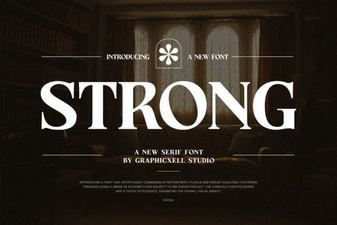 Bold and Strong Font Ideas for Impactful Design
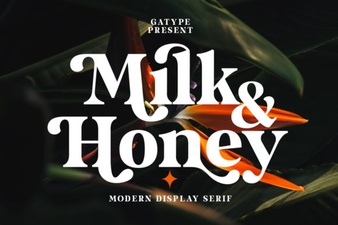 Milk and Honey Font - Elegant Serif Free Download
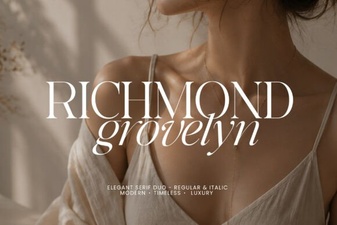 Richmond Grovelyn Font: Elegant Type for Creative Projects
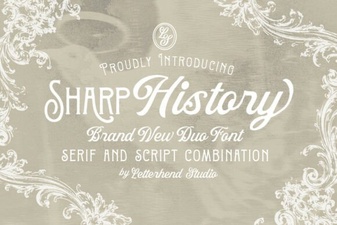 Sharp History Serif Font – Classic Elegant Typeface with Sharp Details
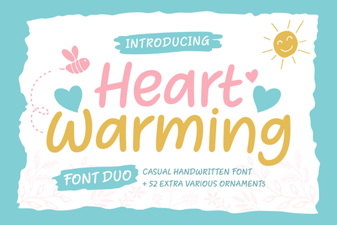 Heart Warming Font: Cozy Typography for Inviting Designs
 Designer Fonts That Elevate Your Creative Projects